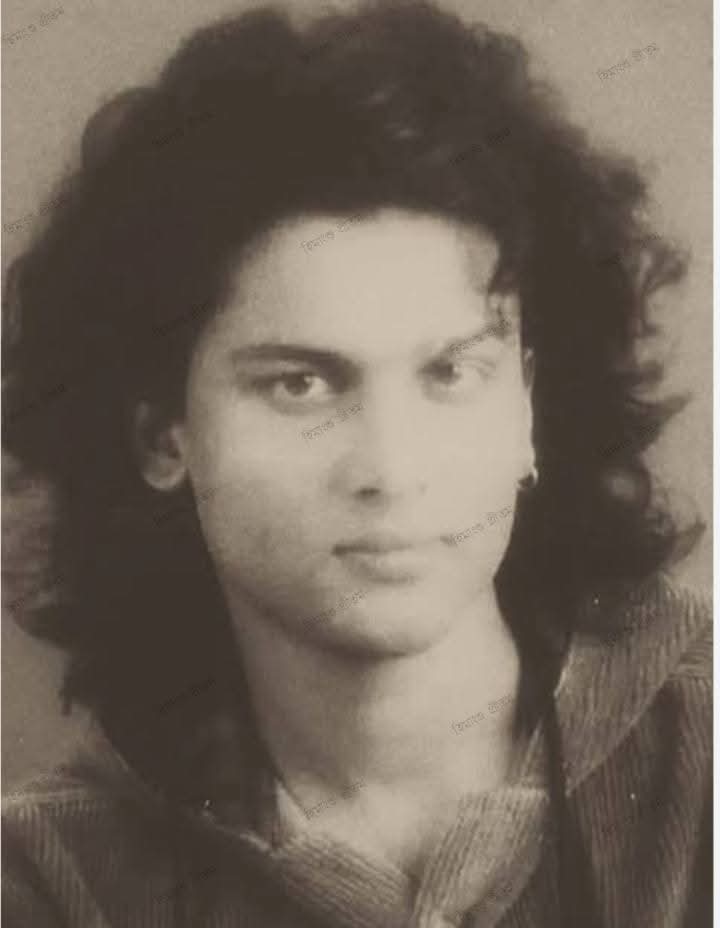
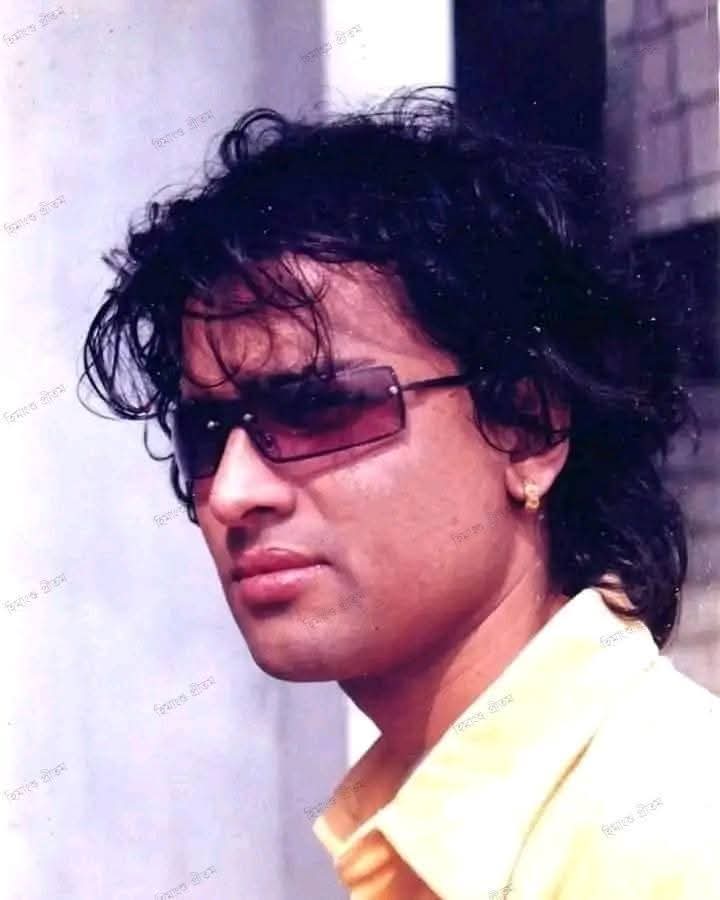
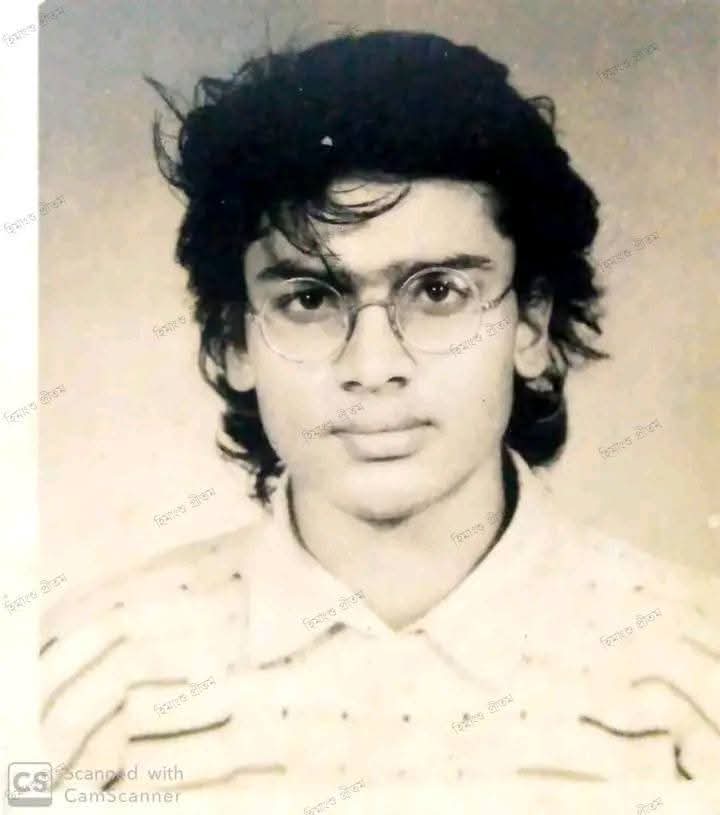
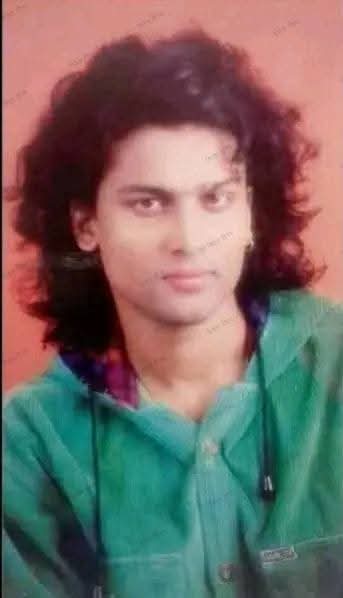
Zubeen Garg
(18 Nov, 1972 - 19 sep, 2025)
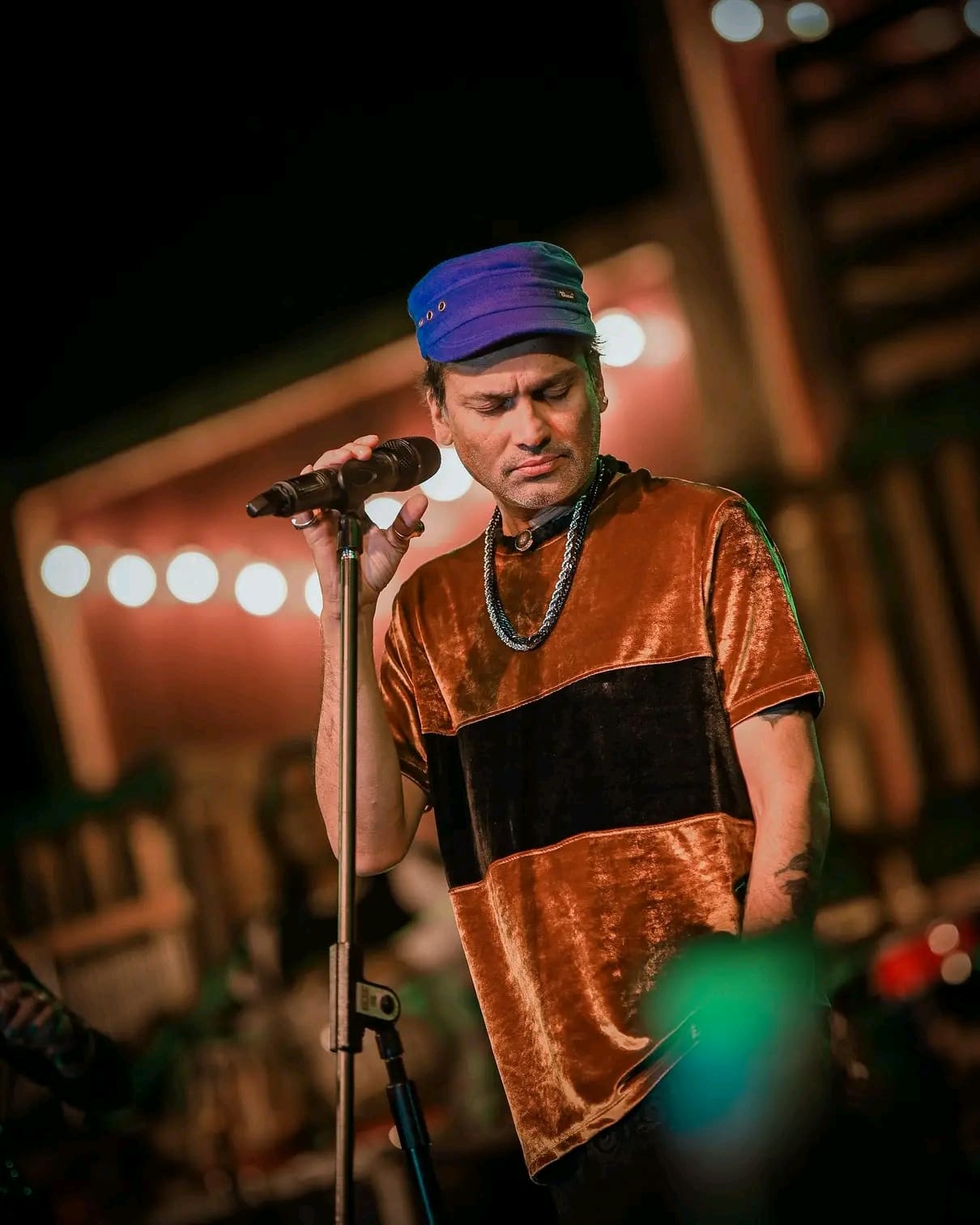
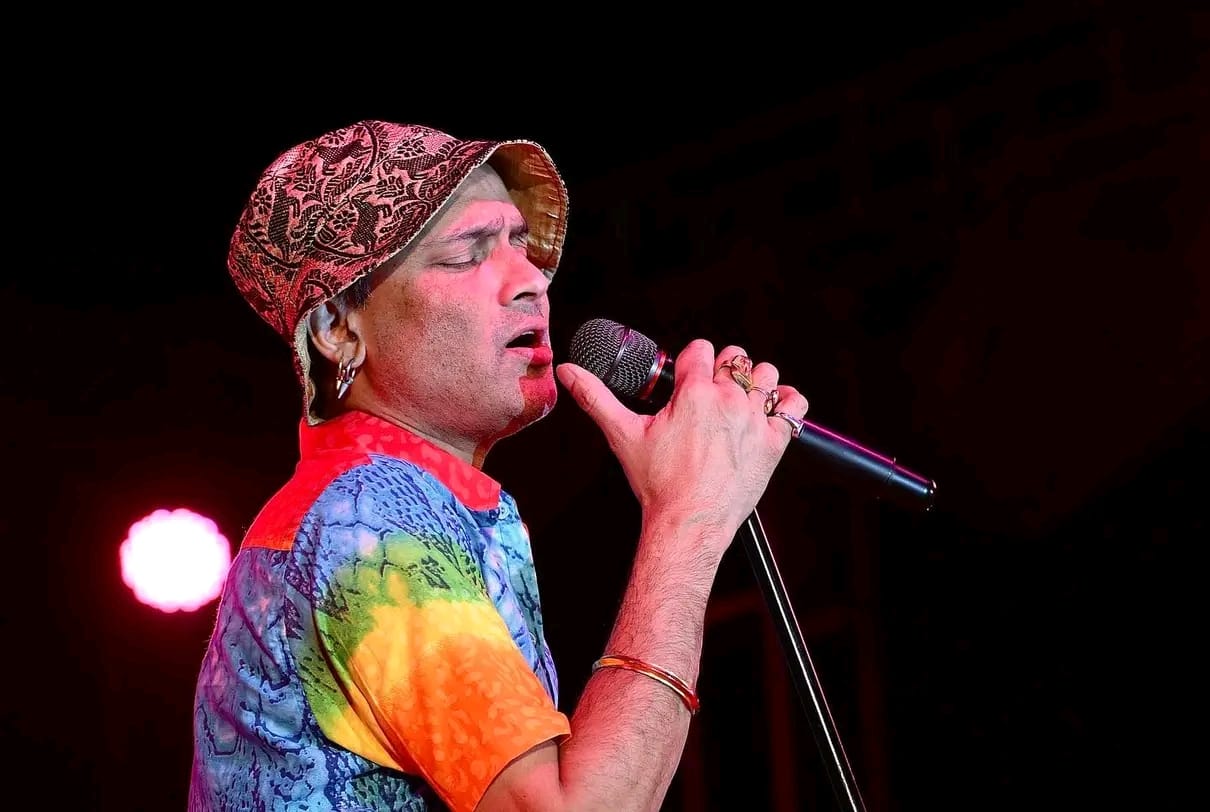
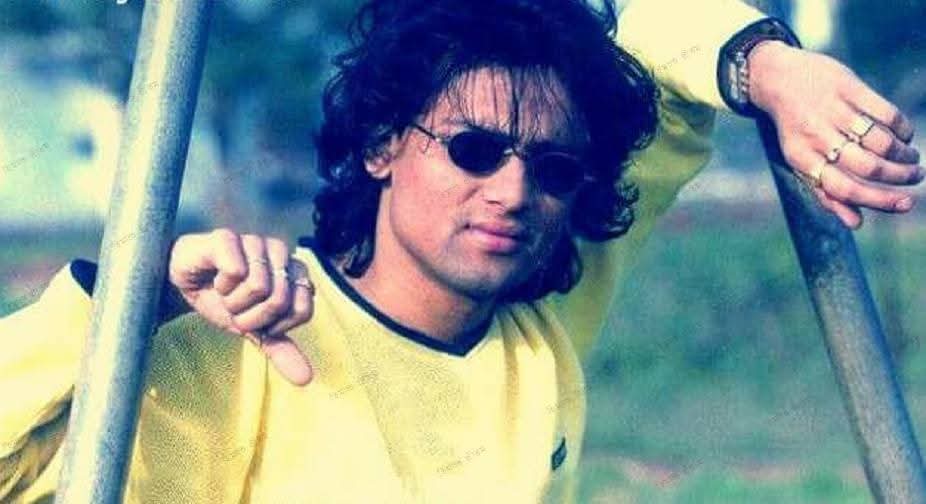
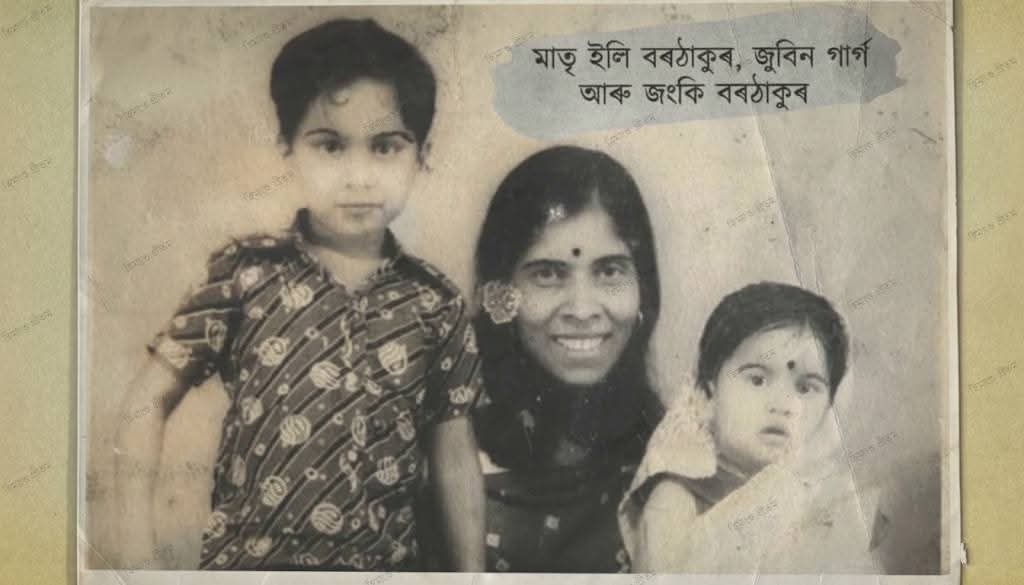
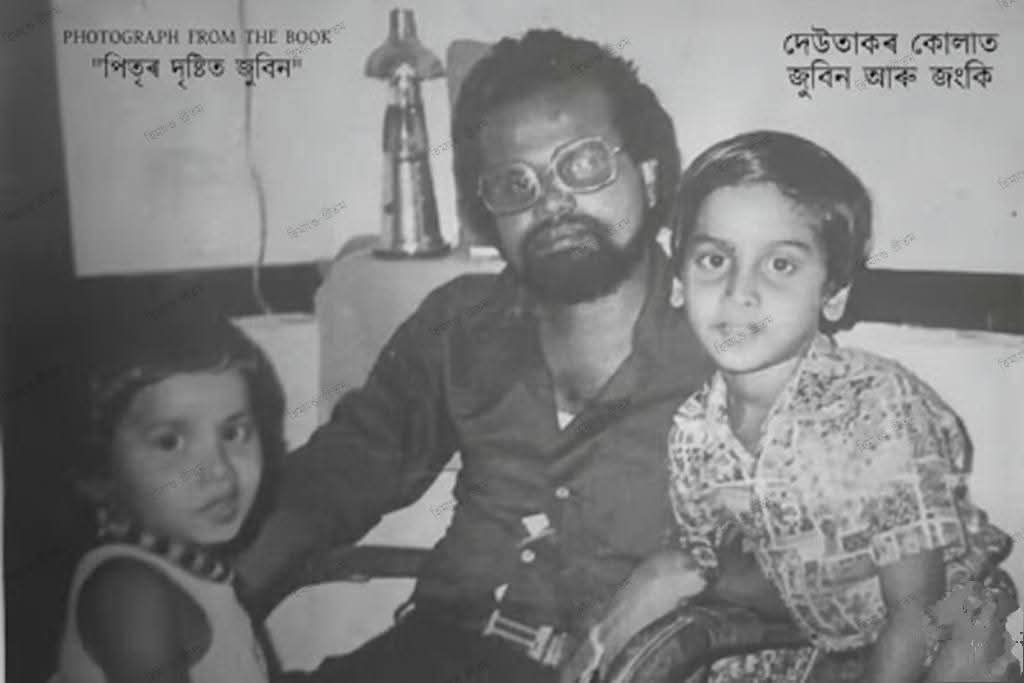
Zubeen Garg (born Zubeen Borthakur on 18 November 1972 in Jorhat, Assam) was one of India’s most beloved and prolific singers, composers, and actors, whose music transcended regional boundaries. ([The Economic Times][1]) Raised in a musical family—his mother, Ily Borthakur, being a noted singer, and his father, Mohini Mohan Borthakur (Kapil Thakur), a lyricist and poet—Zubeen started performing early and became known for his versatility.
He sang in over 40 languages and dialects, mastering about 12 musical instruments. His Bollywood breakthrough was with *“Ya Ali”* from Gangster (2006), though he was already a star in Assamese and regional music.
Tragically, Zubeen Garg passed away on *19 September 2025 in Singapore in a scuba-diving/swimming-related accident while attending the Northeast India Festival. His death triggered deep grief across Assam; the state government declared three days of mourning, and he was cremated with full state honours.
Zubeen’s First Function – Honorarium ₹6,000, Anchor Pabitra’s Honorarium ₹300.

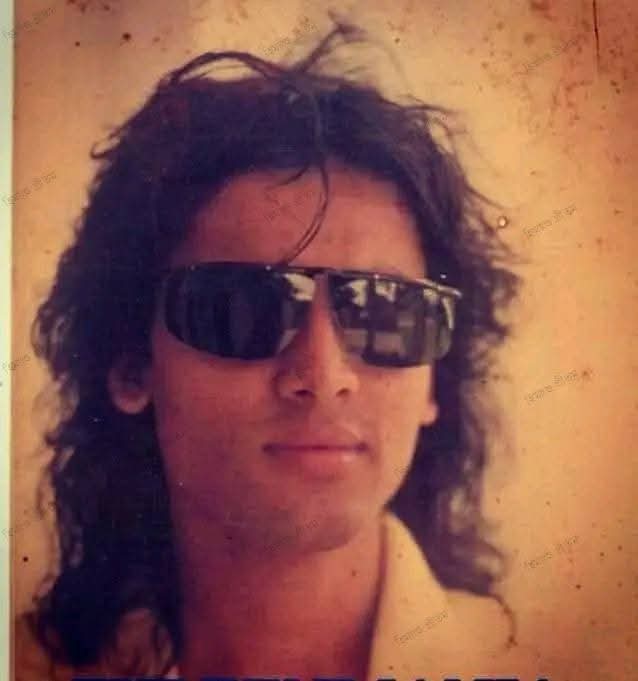
At that time, the album Anamika had just been released. People’s hearts were already touched by the song “Hahile Tumi Mukuta Moni Sore…” Yet, Zubeen Garg was not “Zubeen Garg” as the world would know him later. Even though his songs slowly became hits, nobody invited him to perform at functions. In Jorhat too, some people refused to give Zubeen a stage – calling him a small boy, a bohemian, criticizing his appearance and his unusual dressing style.
Even though he studied at J.B. College, many senior students could not stand his name. Once, he sang in only one college program when his sister persuaded him, while he was playing the harmonium at Jonkie’s event. Even then, some were unhappy – “Why should Zubeen be allowed to sing?” Today, many may find it hard to accept, but J.B. students of that era can still confirm what the truth was.
At that time, the cultural secretary of J.B. College was Parimal Kalita from Sivasagar. But even his hands were tied; he couldn’t allow Zubeen to sing officially. So Parimal devised a plan – Zubeen must be given a stage. But where? After discussions with Pabitra Margherita, Gautam Chakravarty (Bhed), and a few others, they decided to organize a program in Sivasagar.
There, Parimal Kalita, Paran Saikia, Jyoti Prasad Baruah, Raju Barkataki, and Abhijit Baruah had formed the Sonari Cultural Club along with Surajit (Maina) Bora. Under this banner, they planned to organize Zubeen’s first function. But another obstacle arose – the club was not registered. The Sivasagar administration could not grant permission to hold an event at the newly constructed ABITA auditorium in Sonari under that name. Finally, they approached Samalay, then a leading cultural organization in Assam. Initially, some members of Samalay were hesitant to attach their name with the “unknown Zubeen.” But under pressure, they agreed. With their name, official permission was granted.
It was the year *1993. In Sonari, an event was announced – a musical evening with some “artist” named Zubeen. People knew only the song *“Hahile Tumi Mukuta Moni Sore…” which played across loudspeakers in villages and towns. Who was this boy? But Parimal and his friends dared to arrange tickets – ₹20, ₹30, and ₹50.
On the scheduled evening, a huge crowd gathered to listen. The show was to start at 8 pm, but Zubeen and his team were nowhere to be seen. In those days, there were no mobile phones to track them. Finally, around 10:30 pm, Zubeen and his musicians arrived. On their way from Jorhat, their vehicle had met with an accident while trying to bring back some instrumentalists from Dibrugarh.
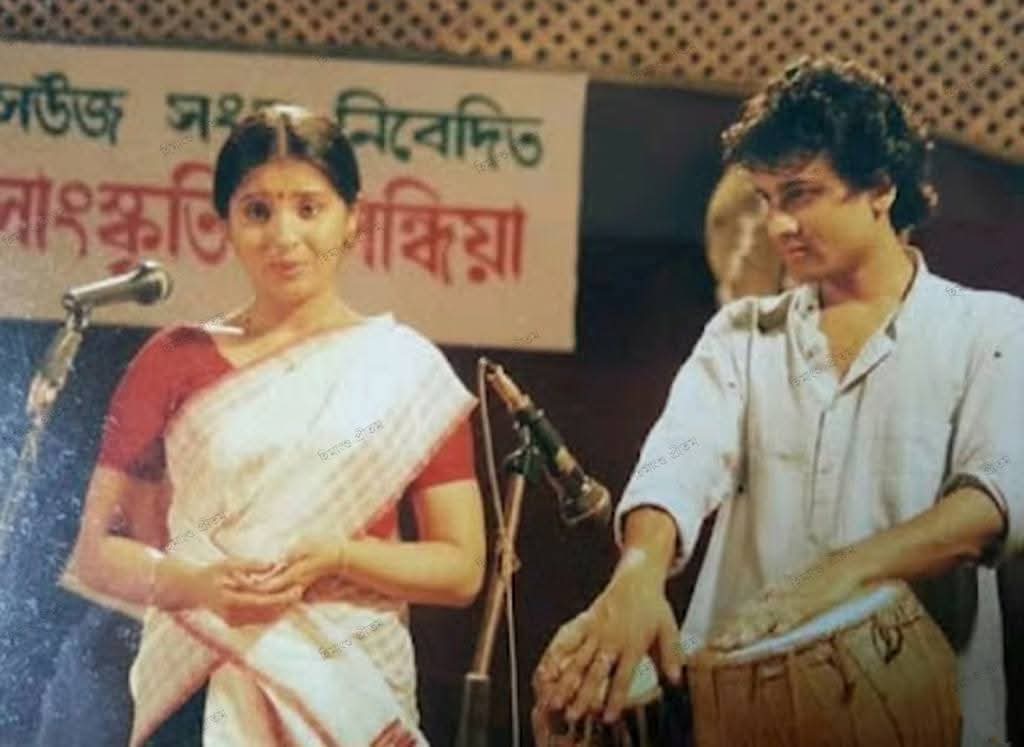
That night, Zubeen poured his soul into singing. It was his *first cultural program, his first function.* Another “birth” also happened that evening – that of *anchor Pabitra Margherita.* Parimal Kalita had given his classmate Pabitra the responsibility of anchoring. He introduced a new style: bilingual anchoring in Assamese and English, not just announcing from backstage but conducting the event live on stage. It was a huge success. The auditorium was overflowing; tickets couldn’t be checked anymore, and the gates had to be opened.
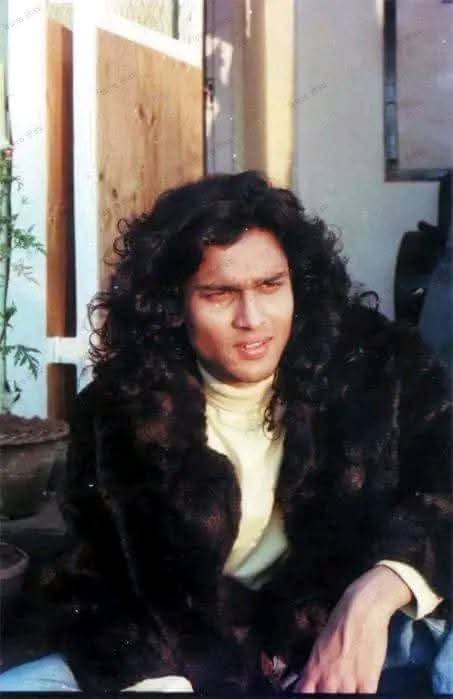
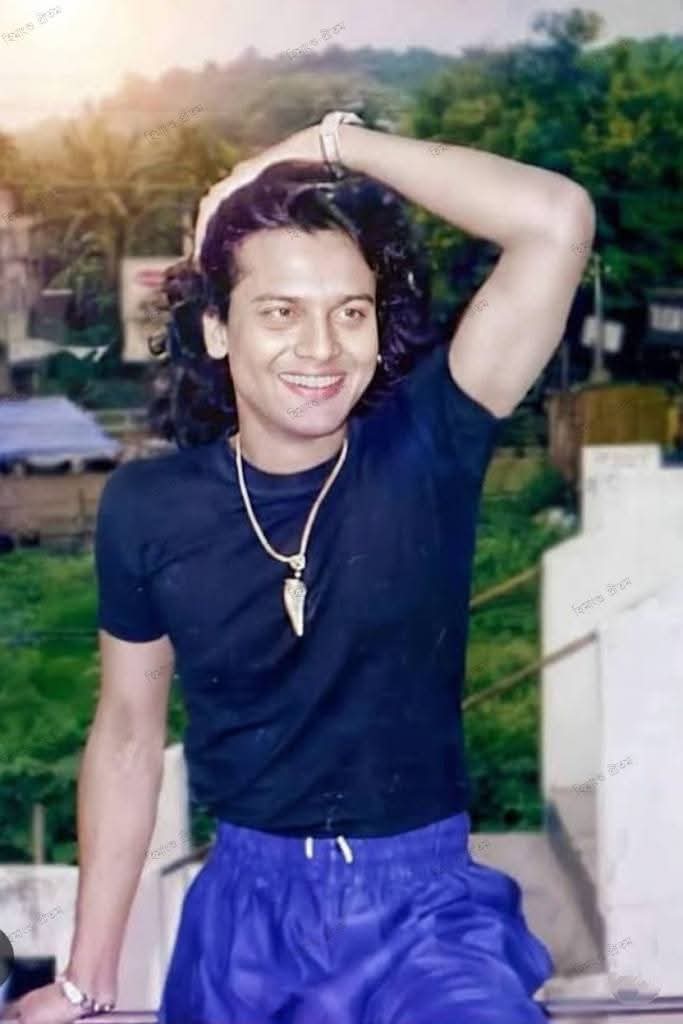
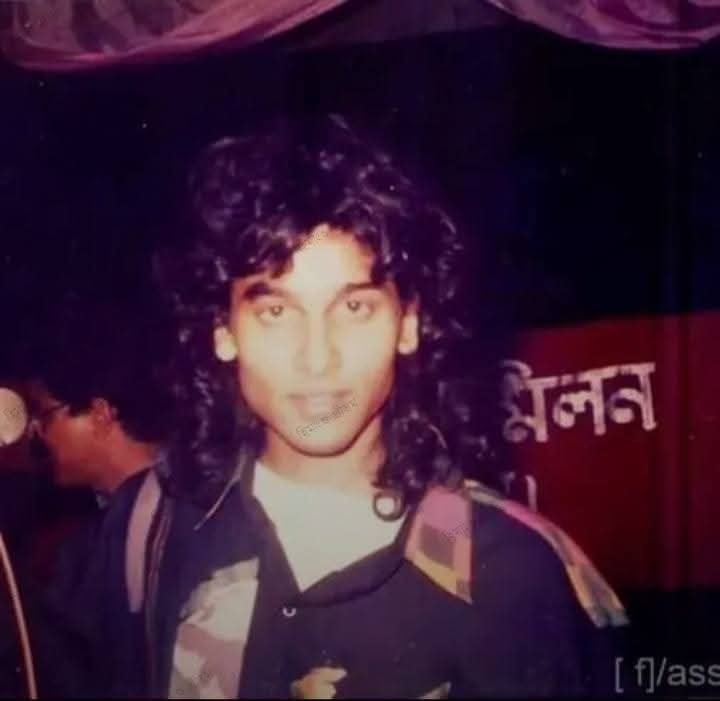
“Who is this Zubeen Garg? What is this long-haired boy singing?” People were stunned. The audience’s excitement shook the walls of the new auditorium and echoed far away.
At the end came the matter of honorarium. Zubeen was handed *₹6,000 in cash.* A huge amount for him then – his first-ever earnings from music. After paying ₹1,200 for vehicle rent and ₹300 each to his musician friends, around ₹2,000 still remained with him. Anchor Pabitra Margherita too received *₹300* for his work that evening. It was his first income as well. (Actually, he was promised ₹1,000, but seeing the financial strain, he settled happily for ₹300.)
That Sonari evening gave the stage to the “unknown Zubeen Garg,” who from then on became Zubeen – who swam across the Brahmaputra and then the seas with his music. Pabitra too went on to professionally anchor many of Zubeen’s programs, and their identities transformed forever.
I am a son of Sonari. Sonari is my emotion. The journey that began from Sonari – the introduction it gave to Zubeen – is something I felt like recalling today.